Chronic pain is exhausting. It chips away at your energy, affects your mood, and makes daily tasks feel like climbing uphill. Pain that lingers becomes more than a symptom—it becomes a way of life. A whole body approach to chronic pain relief aims to shift that pattern and offer true recovery.
How Acupuncture Fits Into a Bigger Picture
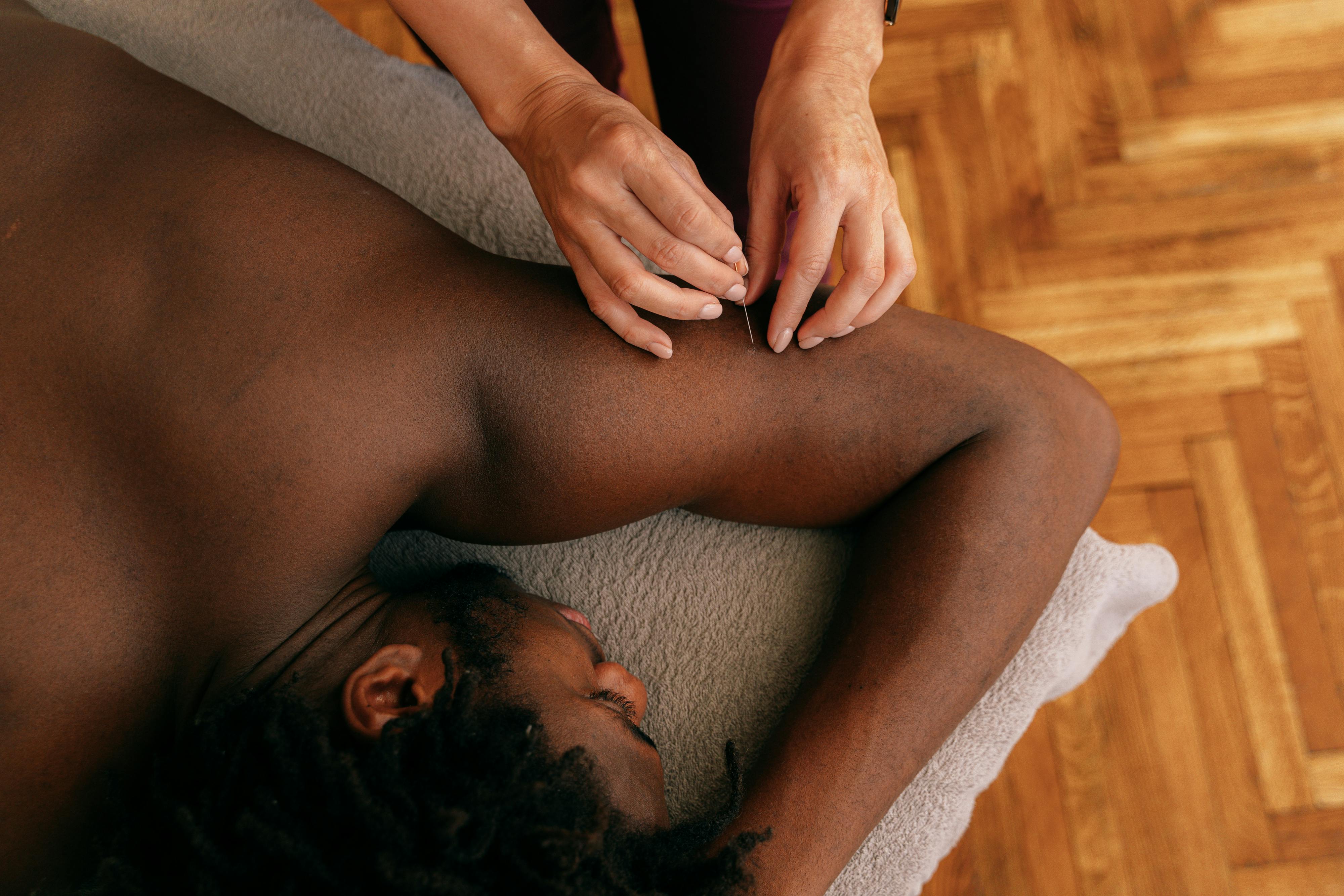
Acupuncture is one of the foundational tools in a whole body approach to chronic pain relief. It works by stimulating specific points that communicate with the nervous system, helping regulate pain responses, inflammation, and emotional stress.
The method is gentle but deep. Using thin, sterile needles, an acupuncturist activates areas of the body tied to muscle tension, nerve pathways, digestion, and even mood regulation. Over time, this helps calm pain cycles, restore sleep, and bring the body into a more functional rhythm.
Why Acupuncture Works With the Whole Body
Your body doesn’t separate physical pain from emotional overwhelm or hormonal imbalance. Everything is connected through a shared network of nerves, blood vessels, fascia, and energy channels. When one system is overloaded, others respond.
Acupuncture fits naturally into a whole body approach to chronic pain relief because it supports multiple systems at once. A person with fibromyalgia might experience anxiety, poor sleep, and irritable bowel symptoms alongside their widespread pain. Treatment can support all of those patterns in one session.
By encouraging parasympathetic activation—the rest-and-heal state—acupuncture reduces pain signals and gives the body room to reset. Sessions also help regulate breathing, heartbeat, digestion, and emotional tension. That full-body response is why people feel so different after treatment. Their systems finally start working together instead of working in overdrive.
What a Whole Body Approach to Chronic Pain Relief Looks Like
The phrase “whole body” means something real in this context. It refers to understanding how stress, injury, posture, nutrition, trauma, sleep, and mental health all contribute to chronic pain. You may come in with back pain, but we also look at how your digestion functions, how you breathe, how you carry stress, and how you sleep at night.
Let’s say a woman struggles with pelvic pain, tension in her jaw, and frequent migraines. A whole body approach to chronic pain relief might involve treating her liver meridian, calming her nervous system through breath-focused acupuncture points, and using herbal support for hormonal regulation.
Or take someone who’s had low back pain for years after a car accident. They’ve done physical therapy and cortisone shots but still feel stuck. In this case, treatment might include needling along the bladder channel to address fascia and nerve pain, using moxa to warm stagnation, and helping calm lingering trauma in the nervous system that keeps the body braced.
The key is that nothing is addressed in isolation. Every symptom connects to something deeper. A whole body approach to chronic pain relief helps uncover those patterns and shift them at the root.
Why People Are Turning to This Type of Care
People often try everything before arriving at holistic care. They’ve seen specialists, tried medications, followed stretching routines, and still feel like their body is fighting against them. One of the reasons a whole body approach to chronic pain relief is so impactful is because it gives people a fresh start.
This kind of care doesn’t ask you to perform or prove how bad things are. It meets you as you are. Sessions include time to talk, to be heard, and to make sense of the full scope of what you’re experiencing.
Pain is exhausting. Feeling dismissed makes it worse. A whole body approach to chronic pain relief offers the opposite. It slows things down. It works with your patterns instead of trying to override them.
The Future of Chronic Pain Treatment Is Integrative
We’re moving toward a model of healthcare that combines multiple lenses. Acupuncture, functional medicine, trauma therapy, and nutritional support are being woven into treatment plans for people living with chronic pain.
This shift is happening in more hospitals and clinics than ever before. Providers now recognize that long-term pain is rarely a single-tissue problem. It involves immune health, mood, stress, and how the nervous system stores memories of injury.
That’s why a whole body approach to chronic pain relief is gaining ground. It reflects the reality of how the body functions and what people truly need to heal.
Why Early Care Makes a Big Difference
When pain becomes chronic, it changes the brain’s wiring. Nerves become more reactive, tissues more guarded, and the body’s stress response gets stuck in high gear. That’s why a whole body approach to chronic pain relief isn’t just helpful—it’s necessary.
By addressing pain before it becomes embedded, we reduce long-term risk. But even if someone has lived with pain for a decade, the body can still relearn safety. It can still release old tension, soften the nervous system, and restore range of motion and emotional resilience.
That’s what holistic care offers—a reset button for systems that have been stuck too long.
What’s Trending in Holistic Pain Relief
A whole body approach to chronic pain relief is constantly evolving. As more people seek out alternatives to pharmaceuticals and surgery, this field is responding with deeper and more personalized care. Some of the most promising directions include:
-
Integrative pain clinics combining acupuncture, somatic therapy, and functional medicine under one roof
-
Increased insurance coverage for acupuncture and herbal consultations
-
Advanced research into vagus nerve stimulation and how it intersects with holistic treatments
-
Greater public awareness about the role of trauma in chronic pain patterns
-
Collaborative care teams that treat the emotional, structural, and metabolic dimensions of pain together
These developments reflect a growing belief that healing is not linear, but it is possible—with the right tools and support.
FAQs
What makes this approach different from conventional pain management?
A whole body approach to chronic pain relief treats the person, not just the symptom. It works across systems, from hormones to nerves to emotions, to support lasting change.
Can I use acupuncture while also seeing a physical therapist or doctor?
Yes. Many people combine acupuncture with physical therapy, chiropractic care, or medication. This model works well alongside other forms of treatment.
How long does it take to see results?
Some people feel better after one session. Others need several weeks. Healing timelines vary depending on the depth and duration of the pain.
Is acupuncture painful?
Not at all. Most people describe the sensation as relaxing or mildly tingly. Treatments often leave people feeling calm, grounded, and centered.
What if I don’t know where my pain is coming from?
That’s okay. Part of the process is identifying patterns and root causes together. You don’t need a diagnosis to get started.
Can stress really make physical pain worse?
Yes. The nervous system is deeply tied to pain signaling. Chronic stress can amplify pain perception, tighten muscles, and reduce recovery capacity.
Conclusion
Healing chronic pain is possible when the body is treated as an interconnected system. A whole body approach to chronic pain relief gives you that opportunity. With patience, support, and consistent care, you can feel better again.
Thank you for reading! Feel free to read my blog, a space where I share reflections on modern health through the lens of Chinese Medicine and holistic care. You’ll find insights on the mind-body connection, emotional wellness, natural healing approaches, and how ancient traditions can support our lives today. Read more about how it works here.
Because acupuncture is most effective when tailored to your unique needs, I offer personalized care for issues like pain, stress, hormonal imbalances, and digestive concerns. If you’re curious about how this medicine can support your health, I’d be honored to work with you. Book a session today and take the next step toward feeling your best.